Atinuj Tantivit: What It Takes to Support Art in Thailand Today
Moving beyond the global market crisis, the founder of ATTA Gallery discusses the evolution of the Bangkok art market, the role of education in collecting, and the interdependence of artists, galleries and patrons in building a sustainable art ecosystem in Thailand.
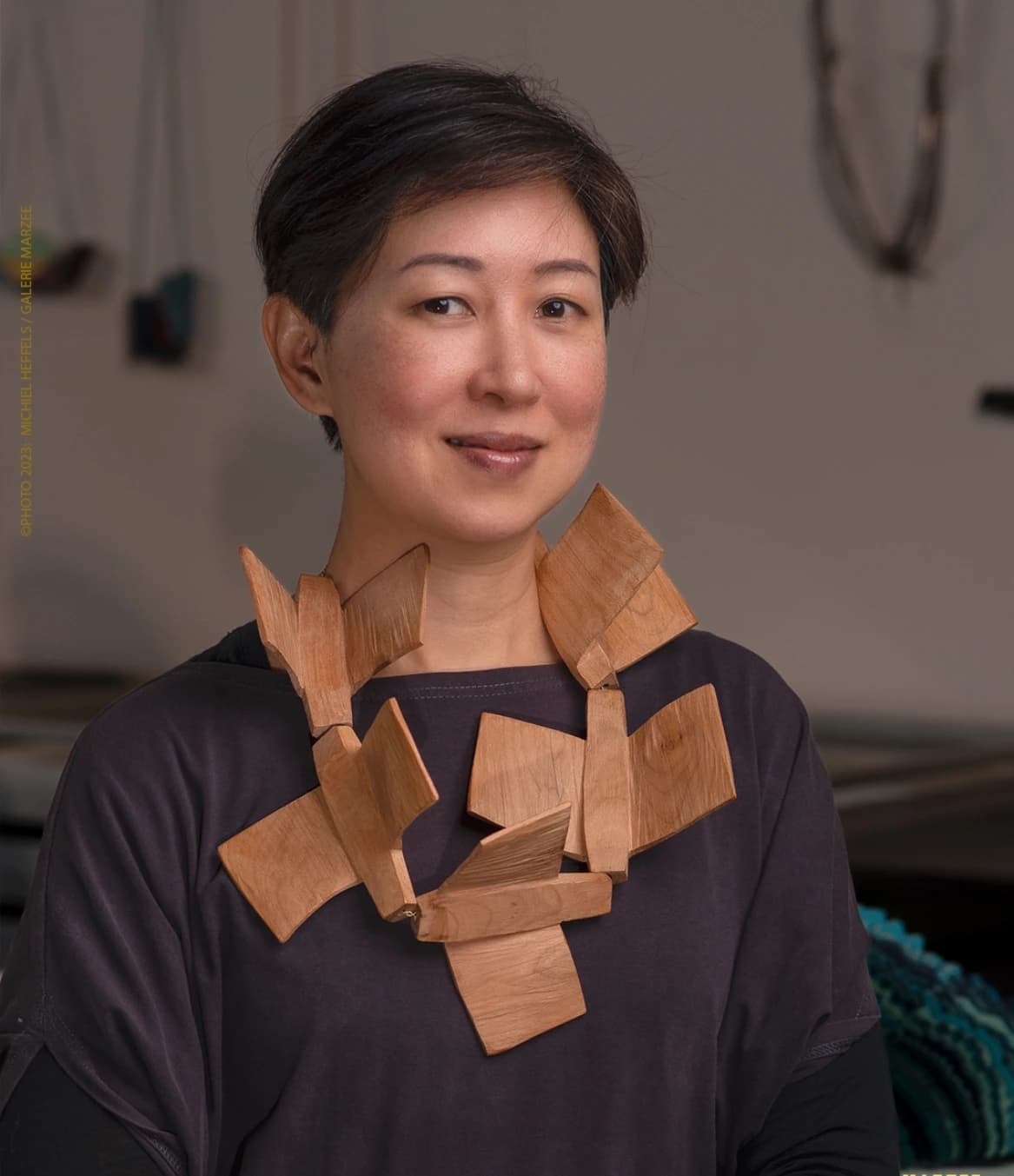
Atinuj Tantivit. Credits: Michiel Heffels, Galerie Marzee
We had the pleasure of speaking with Atinuj Tantivit (Atty), Founder and Director of ATTA Gallery in Bangkok. We took a deep dive into the current state of the art market and the art fair system, as well as the importance of education and the evolving role of galleries.
Q: First of all, thank you for your time. In recent months, there has been significant discussion in the specialized press regarding the state of the global art market. There's been talk of a crisis, with many galleries, including large ones, closing down. Focusing more specifically on SEA and Thailand, what is your perspective on the current situation?
Although there has been a lot of global discussion about a market “crisis“, the situation in Thailand looks quite different. Our art market is still young, so while some galleries are experiencing challenges or rethinking their models, it is not at the scale we see in more mature markets in Europe or the US. That said, we will likely see several art spaces—mine included—adjusting their strategies and shape-shifting in the coming year.
On the surface, the Thai art scene appears very vibrant: new spaces continue to open, there is a constant flow of events, and major institutions are on the horizon. However, this rapid growth has unfolded without enough foundational support, particularly in terms of government backing and the development of committed collectors and patrons. Many people enjoy attending openings and art events, but only a small number buy art consciously and consistently. Works do get sold, but often through social buying or personal obligations, which means that sales volumes do not necessarily reflect real market demand or provide sustainable support for artists.
This imbalance is one of the reasons I have shifted my role from being solely a gallerist to becoming more of an art advocate and educator. For the Thai art ecosystem to grow in a healthy and sustainable way, we need to cultivate more informed and engaged buyers—people who understand why they are collecting and how their choices contribute to the cultural future we are collectively creating. Ultimately, we need to cultivate true patrons of the arts.
Q: For ATTA Gallery, the relationship with art as a functional part of daily life has been a foundational element since 2010, when the focus was contemporary jewelry art. In the podcast Glanz & Kante, you discuss how, since the gallery's inception, the educational aspect surrounding art was essential to its development. Is this an approach that you can translate as well to the realm of contemporary art in the more traditional sense?
Definitely. Education has always been central to ATTA, and it remains just as crucial as we move beyond contemporary jewelry into the broader realm of contemporary art. From the very beginning, our goal has been to help people see art not as something distant or intimidating, but as something that can be lived with every day. That philosophy translates naturally to contemporary art in its more traditional forms as well.
Today, however, misinformation around art buying and collecting can easily distort public perception. Many people now equate buying art with collecting—and then immediately equate collecting with investing or speculating. This mindset has been amplified by social-media conversations around art investment, especially during and after the Covid/NFT boom, when a few new players pushed a narrative focused on quick profit.
A key part of our educational mission is to clarify these misconceptions: buying art is not the same as collecting, and collecting is not always about investment. If we don't shift this mindset, people hesitate to buy art simply because they enjoy it. They begin to believe that art buying is reserved only for the wealthy or powerful, rather than something accessible to anyone who wants to live with art. And when an artwork is not “expensive“, they may wrongly assume it is not worthy of purchase.
Ultimately, educating the audience for us is not about teaching complex intellectual concepts. It is about helping people appreciate art on a personal level—understanding how a piece makes them feel and why it resonates with them. We want people to realize that they, too, can interpret contemporary art on their own terms, without needing permission or validation from experts.
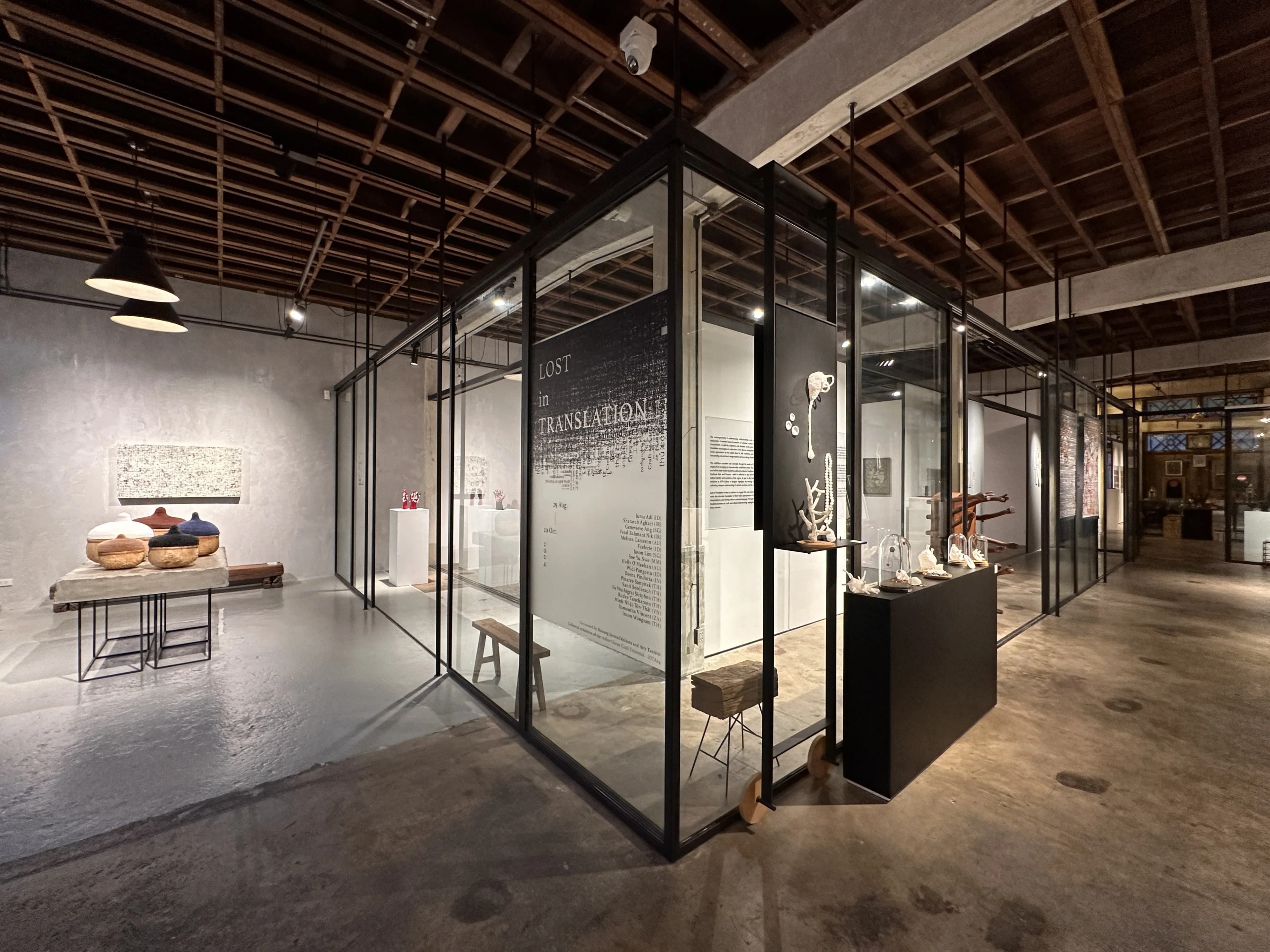
ATTA Gallery. Credits: ATTA Gallery
Q: You've mentioned how the million-dollar results from auctions are not truly representative of today's art scene. I would add the media coverage of art fairs to this, which often reduces the event to merely a list of prices released by blue-chip galleries. This type of event also seems financially unsustainable for most galleries in terms of logistics, shipping, and participation costs, with the only true beneficiaries appearing to be the fair organizers themselves. What is your relationship with art fairs? Do you believe a system of smaller-scale, local fairs could offer a more interesting alternative for galleries compared to the more discussed international ones?
I do attend art fairs myself—not as a gallery, but as a buyer—mainly to train my eye, refine my own tastes, and access works that I cannot find in the local market. Fairs also allow me to discover artists represented by smaller or mid-tier galleries, and I choose to vote with my money by supporting them rather than chasing established blue-chip names. Buyers play a significant role in shaping the ecosystem, and our choices matter.
That said, large international fairs are becoming increasingly challenging for many galleries. The logistics, shipping, and participation costs are enormous, and the benefits often tilt more toward the organizers than the exhibitors. To be fair, some fairs have tried to address this by creating sections for young galleries or offering booth-sharing options, so I don't see fairs as “the bad guy“ in the ecosystem. Still, these structural pressures are part of why I personally gravitate toward smaller, more curated fairs such as Liste in Basel, Asia Now in Paris, or Art Collaboration Kyoto. The atmosphere is completely different— more focused, more experimental, and often more innovative. Here again, buyers can vote with their money to help shape the kind of market and ecosystem they want to see.
As for Thailand, I must admit that we do not yet have a fair that meets those standards. The limited number of artists formally represented by commercial galleries makes it difficult to build a fair comparable to the smaller international ones I mentioned. Most fairs here still emphasize trends, quantity over quality, and they tend to function more as social events than true market platforms.
What could be interesting, however, is reimagining our current fairs as independent-artist fairs. Since many Thai artists are not familiar with how the gallery system works and therefore prefer not to be tied to a single gallery, this format could make sense. If positioned well, these fairs could become opportunities for international galleries to discover and recruit Thai artists for their programs. This might be a more meaningful and sustainable direction for Thailand's fair landscape.
Q: You also noted that in Thailand, similar to the UAE, it can be challenging to propose contemporary art that isn't purely decorative, unless the artists have already received strong international validation. How does ATTA approach this specific market challenge? You've mentioned an evolution currently happening within the gallery; is this something you can share, or is it still too premature?
Because our program focuses on the materiality of art, the works we show vary greatly from exhibition to exhibition. And yes—more conceptual exhibitions are definitely harder to sell. But we have never positioned ourselves as a gallery that shows only “easily sellable“ work. Balancing the need to sell with our commitment to the motto “expressing yourself through contemporary art“ remains one of our biggest challenges, both for artists and for buyers.
We believe we work with wonderful artists who produce strong, meaningful work. However, many of the buyers for these kinds of pieces tend to be foreigners rather than local collectors—people who are already accustomed to engaging with non-decorative contemporary art. This reality led us to rethink the situation from a different angle: the buyer's side.
If local buyers are not confident in their own tastes, it becomes very unlikely that they will “risk“ purchasing anything that is not decorative, trendy, or validated by their peers. The issue is not just about the art; it is about self-trust and taste literacy.
This is why the evolution at ATTA—one that I can share—is about shifting more of our time and energy toward cultivating future art buyers who are conscious and confident in their choices. Instead of focusing solely on presenting works, we are focusing on developing the audience: helping people build their own sense of taste, understand why certain works resonate with them, and feel empowered to buy art beyond trends or external validation.
This is the direction we believe will make the most meaningful long-term impact on the Thai art ecosystem.
Q: In an article published in February 2025 on Artnet, Richard Koh stressed the necessity of creating an art ecosystem in Southeast Asia that is international, but not necessarily using the Western model as its sole reference. Do you feel that the Bangkok art scene is moving in this direction? Are you seeing a growing interest from foreign collectors?
This is something I have been reflecting on as well. I can't say much about Southeast Asia as a whole, as I am not familiar with the individual markets in the region. I can only speak for the market I know best, which is the Thai market.
Thai artists—and Thais in general—value their freedom, and this often translates into artists preferring to remain free agents. There is nothing wrong with that, but I believe it is important to educate artists about the different career paths available to them: being a gallery-represented artist or remaining an independent artist. Each path comes with its own responsibilities, limitations, and opportunities, and artists need to understand and accept the consequences of their choices. For example, if they hope to participate in international fairs, they must understand that fairs work through galleries; one cannot exist fully in both worlds at once. This remains one of the challenges in the Thai art scene today.
Another issue is that when people talk about the art ecosystem, they tend to focus only on artists, curators, and galleries—and galleries are often portrayed as the “bad guy“ who takes advantage of artists. But an ecosystem includes many more people. Collectors and patrons need to recognize this. Buying directly from artists does not automatically make someone a patron of the arts. Galleries invest in curators, handlers, shippers, marketing, and all the logistical layers required to present an exhibition. Supporting galleries means supporting an entire network of professionals who sustain artistic production.
As for foreign collectors, there is indeed growing interest, but many feel uncertain navigating the Thai system because it differs from what they are used to at home. Without clear structures of representation or pricing standards, they may question whether quoted prices are consistent or trustworthy. This lack of a formalized system can make it difficult for foreign buyers to participate confidently.
For Bangkok to move toward a truly international ecosystem—one that is not simply adopting Western models but building its own—it will require clearer structures, stronger professional practices, greater transparency, and a deeper understanding among artists, collectors, and both public and private art institutions of how an ecosystem functions. With these foundations in place, foreign collectors will feel far more comfortable and confident engaging with the market here.
For more info about ATTA Gallery and other Bangkok galleries and art institutions, check our Exhibitions section.