Araya Rasdjarmrearnsook: On Writing, Solitude, and Disappearance
A conversation with one of Thailand's most influential artists and writers, Araya Rasdjarmrearnsook, on literature, solitude, her life among nineteen dogs, death, and love.
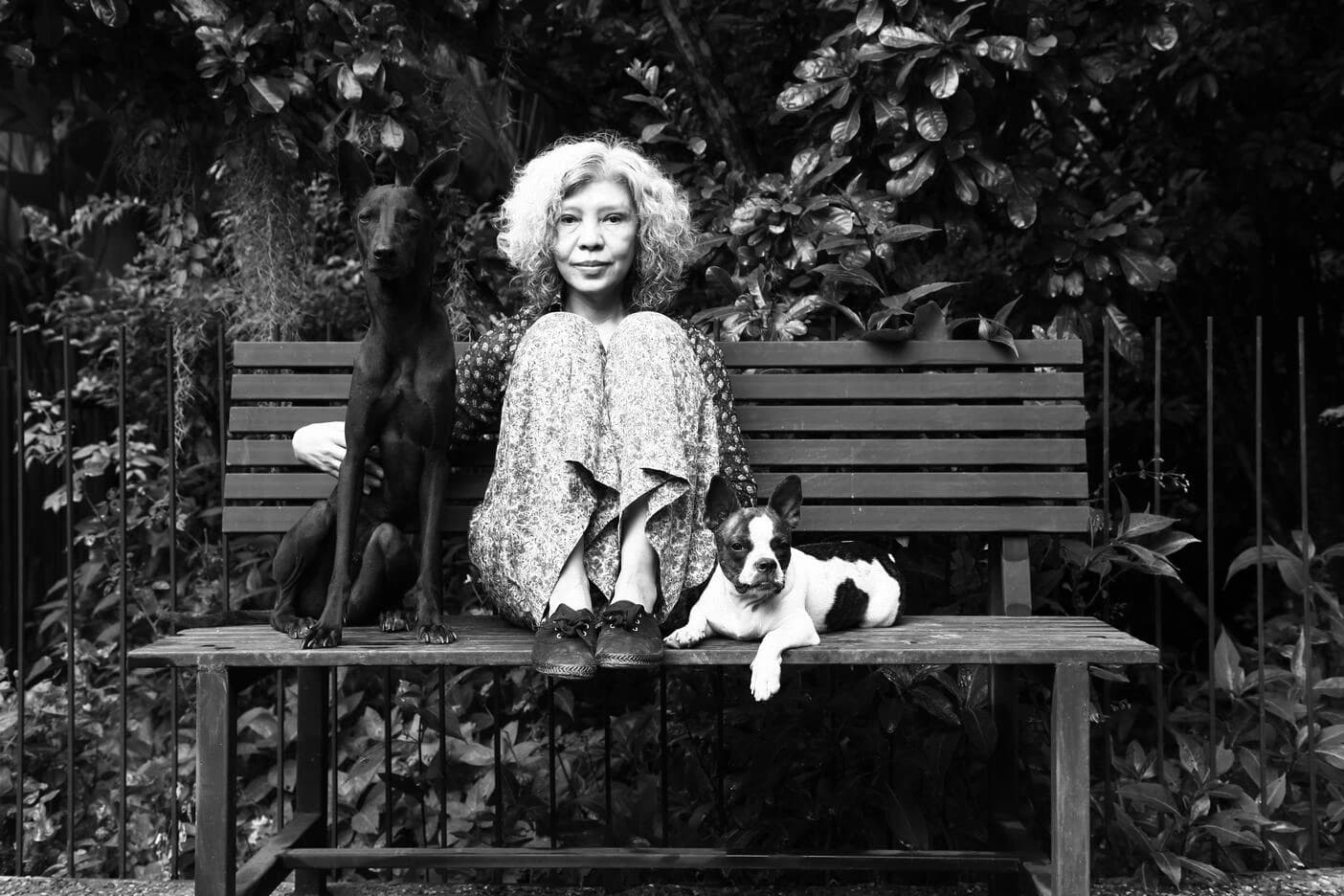
In preparing this interview, I found myself doubting how to frame the questions to ask you. Because while your work as an artist and writer is deeply intertwined with your private life, you often seem to maintain a certain reserve in interviews, frequently subverting the roles to take control and become the one asking the questions. Furthermore, as I write these lines, a sentence from your book I am an Artist (He Said) keeps echoing my head: “For artmakers, joy comes from not f****** talking about art at all.” I must admit I haven’t managed to avoid the subject entirely. But to begin, how are you and how are the dogs?
พออายุมากขึ้นแทนที่จะทำตัวตามสบายกับคำถามว่า สบายดีมั้ย กลับยุ่งยากใจที่จะตอบคำถามนี้ เพราะฉันอยู่ไกลพิธีกรรมและอยากพูดจาให้เป็นจริงมากกว่า
คำถามว่า สุนัขเป็นอย่างไร ก็เช่นกัน เพราะหมา 19 ตัวมีความแตกต่างกันมาก โดยเฉพาะประสบการณ์ในฐานะหมาจรจัดที่ดูเผินๆอาจคล้ายกัน แต่หมาตัวล่าสุดไม่ได้หิวตลอดเวลา เล่นไม่เป็น ไม่เคยเห่า และไม่กระดิกหางเลย จะสั่นเมื่อเราเข้าใกล้ และฉันเพิ่งรู้เมื่อสองวันที่ผ่านมาว่าเธอไม่รู้จักการเล่นจากการนำหมาเด็กเข้าไปอยู่กับเธอ หมาเด็กเขี่ยหัว กัดคอ กระโจนใส่แต่เธอนิ่งเฉยตลอดเวลาหรือไม่ก็วิ่งหนีฉันซึ่งวนเวียนอยู่ในกรงที่เหมือนวังสวรรค์เล็กๆ ในขณะที่หมาเด็กวิ่งเข้าหาเธอไล่ตามเธอ
As I grow older, instead of answering “How are you?” with ease, I find the question difficult to answer. I have grown distant from such formalities and would rather speak honestly.
The same is true when people ask about the dogs. All 19 are very different, especially in their histories as strays, even if those histories may seem similar at first glance. But the newest dog is not constantly hungry, does not know how to play, has never barked, and never wags her tail. She trembles whenever we come near, and just two days ago I realized that she does not understand how to play when I brought a puppy to her. The puppy nudged her head, bit her neck, and leapt at her, but she remained still the whole time or else ran away from me around the cage, which is like a small paradise, while the puppy kept chasing after her.
Let’s talk about literature if you’d like. Is there a book you have in mind but haven't written yet?
ในช่วงที่ฉันเขียนส่งหนังสือหลายประเภท หลายแห่ง 7 บทใน1เดือน นานเป็นปีๆ
ฉันคิดว่าการเขียนได้ดูดความคิดไปหมดแล้ว แล้วทิ้งไว้บางรสของการดูด ไม่ใช่รสจากอาหารจานใหญ่ที่พูดถึงได้ เป็นเศษเสี้ยวของการขบเคี้ยวที่มีรสแปร่งๆนิดๆหน่อยๆ จึงตอบคำถามได้ว่า ไม่มีที่คิดไว้แต่ยังไม่เขียน
ก่อนออกจากการสอนในมหาวิทยาลัยตอนอายุ 65 ฉันมีความคิดวางมือจากงานทุกอย่าง ฉันเห็นภาพตัวเอง เลี้ยงหมา อาบน้ำให้หมา นั่งรถเดินทางไปกับหมา แต่งานนิทรรศการที่ยังคงมีอยู่และงานเขียนเล็กๆน้อยๆ(น้อยมาก)ตามกิจกรรมทำให้ฉันปรับความคิดใหม่ว่า การเกษียณแบบเด็ดขาดสำหรับงานประเภทนี้เป็นไปได้ยาก ความคิดเรื่องเกษียณอาจโง่และไม่รู้ทันวิชาชีพ คงเป็นไปอย่างนี้จนกว่าคลื่นจะซัดสาดหาดครั้งสุดท้ายแล้วน้ำทะเลก็ลดลง เหือด และให้เวลาพอที่ทรายจะแห้ง ก่อนเม็ดทรายจะปลิว
แต่ราวสามเดือนมานี้ฉันสังเกตว่าตัวเองคิดคำและเหตุการณ์บางอย่างไม่ออก ความสามารถในการจำเปลี่ยนไป ทำให้ไม่กี่วันมานี้ฉันตั้งความนึกคิดถึงงานเขียนขึ้นมาเรื่องหนึ่งเพื่อช่วยให้สมองยังทำงานอยู่และพยายามทำให้ได้สม่ำเสมอ เรื่องตั้งเค้าว่าหมากลุ่มหนึ่งที่ตายไปจะเรียนรู้คนได้มากขึ้นกว่าตอนที่ยังเป็นหมาเป็นๆ แต่มาสยองเมื่อนับว่าหมาเจ็ดตัวในเรื่องตายเองแค่สาม ถูกฉันประหารด้วยคำว่าการุณไปห้า และถ้าพวกเขารู้จักคน เขาจะรู้ว่าฉันทำอะไรลงไป
At a certain time, I wrote and submitted many kinds of books to many places, 7 chapters a month over many years. I felt that writing drained all my thoughts, leaving only a faint aftertaste, not the fullness of a meal one could talk about, but fragments of chewing that had a slightly odd taste. So my answer was no: there was nothing I imagined but had not yet written.
Before I left teaching at the university at the age of 65, I imagined withdrawing from all work. I pictured myself caring for dogs, bathing them, and traveling with them. But ongoing exhibitions and the occasional piece of writing (very occasionally) made me reconsider. Complete retirement from this kind of work seems difficult. The idea of retirement may simply be naïve and a misunderstanding of the profession. Perhaps it will continue like this until the last wave washes over the shore, the sea recedes, and the sand has just enough time to dry before each grain is blown away.
But over the past 3 months, I have noticed that some words and events no longer come easily to my mind. My ability to remember things has changed. As a result, in the past few days I have set my mind on a piece of writing, hoping it will help keep my brain working, and I am trying to do it consistently. The story begins with a group of dogs who have died and will come to understand humans better than they did when they were still alive as dogs. But it becomes horrifying when I count them and realize that, of the 7 dogs in the story, only 3 died on their own. 5 of them were put to death by me under the word “mercy.” And if they come to know humans, they will know what I have done.
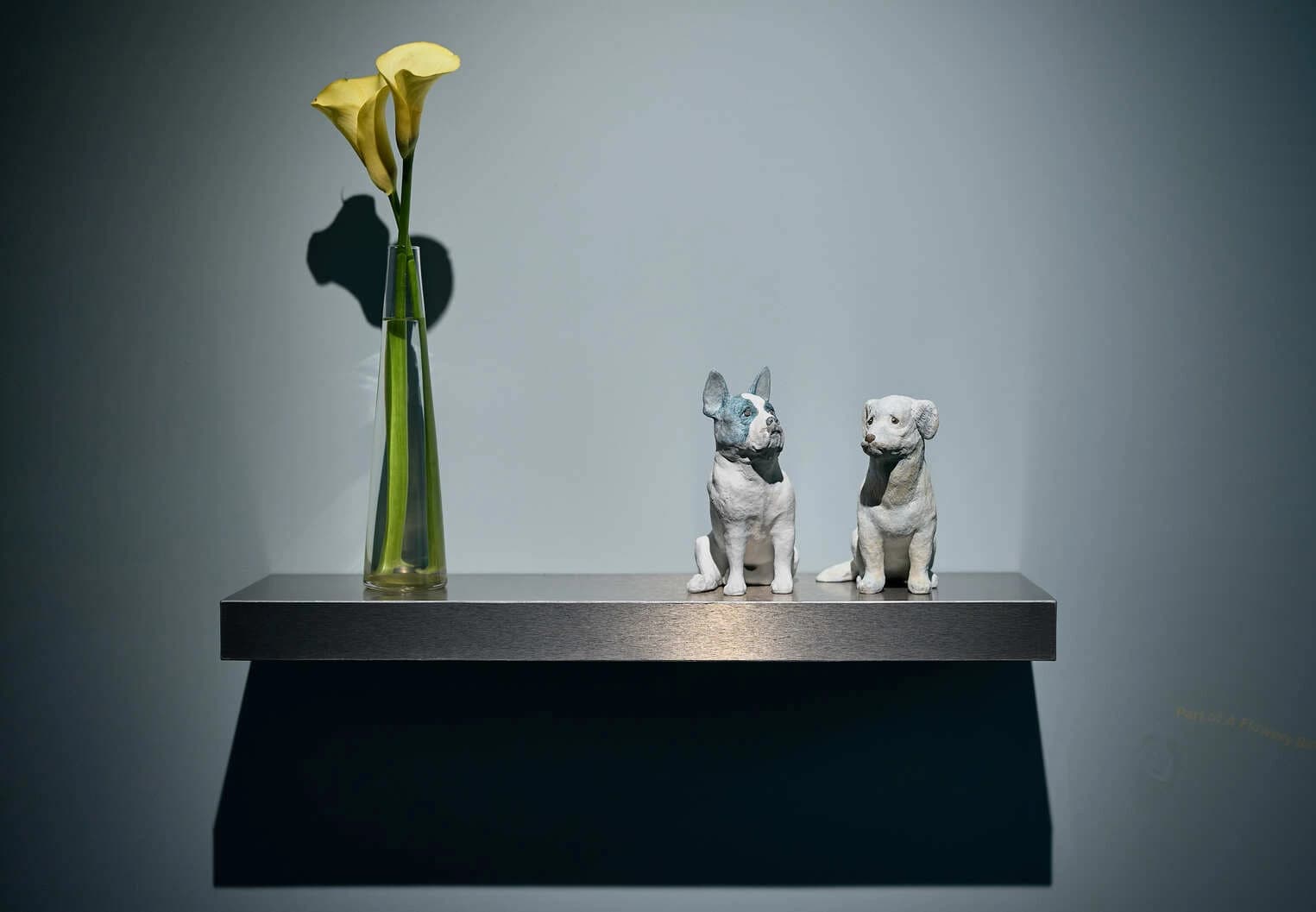
Araya Rasdjarmrearnsook, A Flowery Birth of Departure. Credits: 100 Tonson Foundation
You have spoken of literature as something that helped you in moments of solitude, and solitude and the yearning for connection are elements also present in your artistic work. What is your relationship with solitude today?
แปลกมากที่ไม่นานมานี้ฉันพบว่า ตนเองไม่รู้สึกโดดเดี่ยวอีกโดยไม่ได้มีความอบอุ่นหรือมิตรภาพใดมาชดเชย
ฉันยังคงไปร่วมกิจกรรมวิชาการที่เกี่ยวกับงานศิลปะและงานเขียนของฉัน ยังคงไปทานข้าวกับคนมาเยือน เพื่อนหรือคนเคยร่วมงานกัน ยังคงเดินทางไปแบ่งพื้นที่ช่วงเวลาสั้นๆกับญาติ แต่ทั้งหมดด้วยความรู้สึกที่ว่าคนเหล่านี้มีอยู่ด้วยตัวของเขาในเส้นทางที่เขาดำรงอยู่ การเข้าไปใกล้เป็นขณะหนึ่งของกลไกความสัมพันธ์ ความผูกพันไม่ได้ถือครองบทนำในการพบปะเหล่านี้ ถ้าเปรียบการพบปะใช้เวลาเหล่านี้กับคนเหล่านั้นน่าจะเหมือนลมที่พัด แดดที่ส่อง กลางคืน กลางวัน มีอยู่แล้วก็จบ มาแล้วก็ไป การไปยึดถือส่วนนั้นๆในเชิงความรู้สึกไม่น่าจะเป็นเรื่องที่ควรทำ คืออยู่ดีๆฉันก็ห่างไกลคำว่า ติดสัด ชื่อเรื่องสั้นเรื่องหนึ่งของฉัน ไม่ใช่เพราะแก่ แต่เป็นมานานแล้ว
นานมาแล้วที่ฉัน ‘ไร้รักในเชิงเสน่หา’ ฉันพบว่า ณ ปัจจุบันส่วนนี้น่าจะเป็นเรื่องเหลวไหลที่สุดในการดำรงชีวิต แต่ฉันกลับปิติมากเมื่อช่วยหมาที่นั่งสั่นตลอดเวลาในกรงแคบมากที่บ้าน สร้างกรงและสวนเล็กๆที่เป็นเอกเทศให้เธอที่ฉันเปรียบว่าเหมือนวังที่มีรสหวานทาสีฟ้าจางๆ และทุกวันฉันลงนั่งข้างๆ แตะตัวเธอ จนเช็ดตัวให้เธอได้ทั่ว สอนให้เธอรู้จักสัมผัสที่ไม่ทำร้ายกัน (อีกตัวฉันขนใส่กรงลงมาจากเขาของจังหวัดหนึ่ง เดินทางไกลเพื่อมาทำการุณฆาต เพราะเป็นโรคหัดขึ้นสมอง หมุนตัวตลอดเวลา) นั่นคือ2ความสัมพันธ์ที่มีความหมายมากกว่าเสน่หายาใจที่ฉันเคยมีตอนเป็นสาวๆและไม่เห็นคุณค่าเลยในตอนนี้
คือถ้าความโดดเดี่ยวของฉันไปเกี่ยวกับรักใคร่ฉันน่าจะอาเจียนไม่หยุด
แต่ส่วนใหญ่เมื่อก่อน ความไม่โดดเดี่ยวหรือความลำพังตัว น่าจะเกี่ยวกับการรวมกลุ่ม เข้าพวกเดียวกัน มีอะไรร่วมกันคล้ายจิ๊กโก๋หรือกลุ่มโจ๋ ตอนนี้ด้วยความเคารพในรายละเอียดของปัจเจก ความเห็นฉันมักสอดคล้องกับฝั่งที่ไม่เป็นมวล บางทีความเป็นคนทำศิลปะกับงานเขียนทำให้เก้อเขินที่จะเป็นคนกลุ่มใหญ่ในสังคม ซึ่งทำให้แปลกแยกกับสภาพแวดล้อมเป็นไปในการอยู่ร่วมกันของเหล่าคน
วิธีหาทางออกที่ไม่มีทางออก ฉันมักโทษว่า มันเกิดจากการทรยศของดวงจันทร์
ตอนนี้ฉันน่าจะตายด้านมาก (ไม่รู้สึกอะไร) ที่เกี่ยวกับ คำ ความโดดเดี่ยว
It is very strange that not long ago I discovered that I no longer feel lonely, and not because any warmth or friendship has come along to compensate for it. I still attend academic events related to my art and writing. I still go out to meals with visitors, friends, or former colleagues. I still travel to share short stretches of time and space with relatives. But I do all of this with the feeling that these people exist in and of themselves, along the paths on which they live. Coming close to one another is only a moment within the mechanism of a relationship. Attachment does not occupy the leading role in these encounters.
If I were to compare these meetings and these shared moments with those people, they would be like the wind that blows, the sunlight that shines, the night, the day. They are there, and then they are gone. They come, and then they leave. To cling to those moments emotionally does not seem to be something one ought to do.
Somehow, I have been far away from the word rut, the title of one of my short stories. Not because I am old, but because I have been distant from it for a very long time. Long ago, I came to be without love in the romantic sense. At present, I find that this may be the most nonsensical aspect of human existence. But I feel immense joy when helping a dog that sits trembling all the time in a very narrow cage at my home. I built a separate enclosure and a small garden for her, which I compare to a palace with a sweet taste painted in pale blue, and every day I sit beside her, touch her, and eventually manage to wipe her body all over. I teach her to recognize a touch that does not harm.
(Another dog I carried down from a mountain in a distant province, traveling a long way to euthanize it because distemper had spread to her brain and she spun in circles endlessly).
Those are two relationships that hold more meaning than the consoling romance I once had in my youth and which I no longer value at all. If my loneliness had anything to do with romantic love, I would probably vomit without end.
But in the past, what kept me from being lonely, or from being on my own, used to be mostly about belonging to a group of people, sharing something in common, rather like a gang or a clique of youths. Now, out of respect for the intricacies of the individual, my views tend to align with what is not collective. Perhaps being a person who makes art and writes has made me self-conscious about being part of a large social group. It leaves me feeling estranged from the environment created by people living together among other people.
As for my way of finding an exit where no exit exists, I often blame it on the treachery of the moon. By now I have probably become quite numb, feeling nothing at all, when it comes to the word loneliness.
In your works, you have spoken and written in both English and Thai; I would like to know how you approached these linguistic choices.
ฉันคิดว่าภาษาอื่นเป็นส่วนอ้างอิง แต่ฉันเขียนเป็นภาษาไทย ถ้าจะมีภาษาอื่นในงานมันจะคือ ภาษาที่อิสระ จนคนไทยที่อ่านนิยายของฉันเขียนว่า เธอว่ายน้ำไม่แข็ง แต่นิยายของอารยากำลังพาเธอว่ายในมหาสมุทรที่น้ำไหลเชี่ยว พอฉันอ่านส่วนนี้ฉันก็เข้าใจว่า ตอนว่ายในน้ำเชี่ยวไม่ต้องคิดอะไร ตั้งหน้าตั้งตาอ่านต่อไป
I think other languages serve as points of reference, but I write in Thai. If there is another language in my work, it is a language that is free. A Thai reader of my novels once wrote that she is not a strong swimmer, but Araya’s novel is carrying her as she swims through an ocean of fast-moving currents. When I read that passage, I understood. When you are swimming in rushing water, there is no need to think about anything. You simply keep your eyes forward and continue reading.
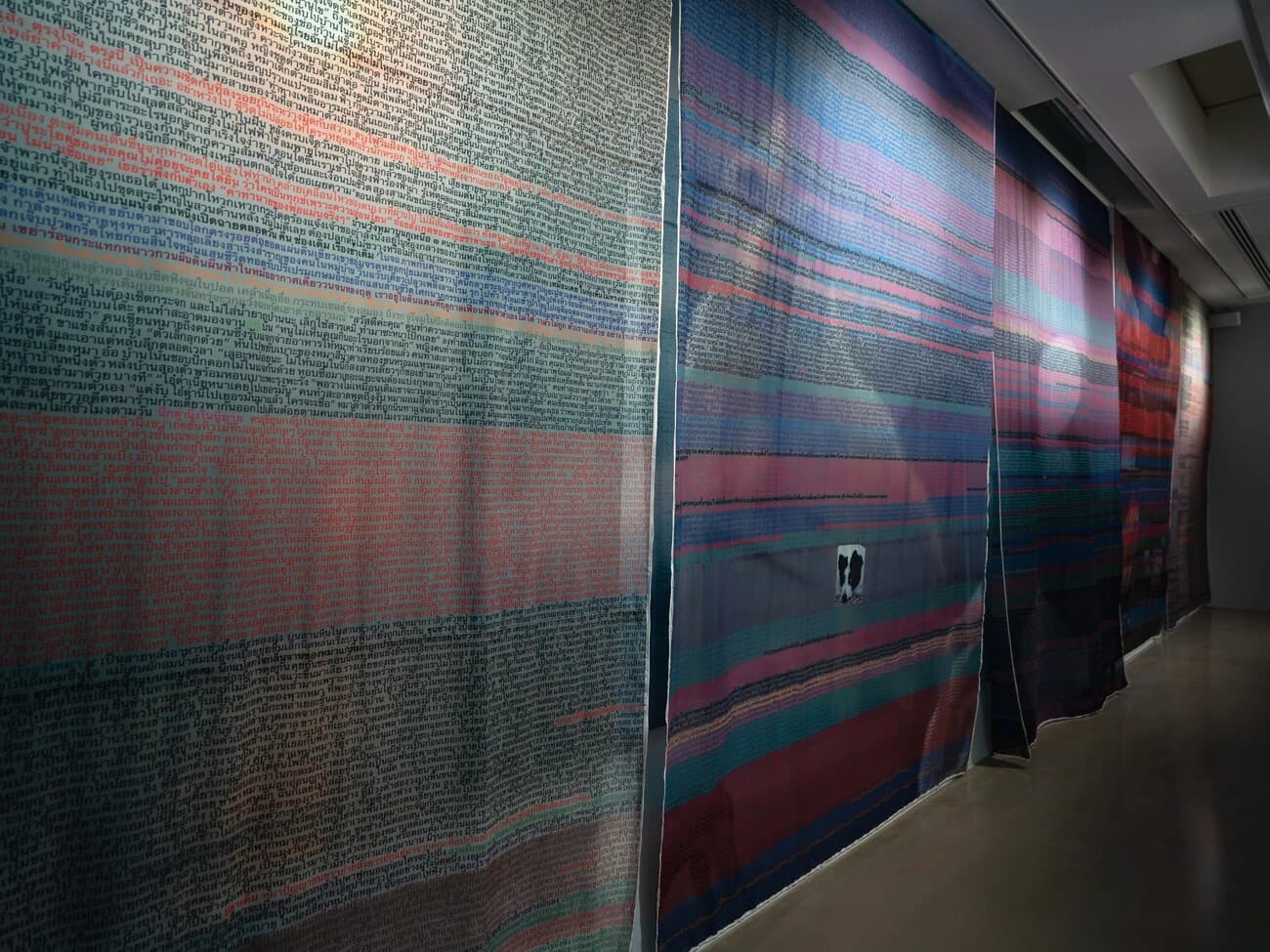
Araya Rasdjarmrearnsook, Non Appearence. Credits: 100 Tonson Foundation
In your work as a writer, reflection on art is deeply present, reaching an audience far beyond the narrow sphere of the art world, as the articles from which I am an Artist (He Said) was drawn were published in a mass-circulation newspaper. Similarly, but in a different way, in Village and Elsewhere, almost reversing Duchamp’s ready-made, you bring famous Western artworks to Thailand, outside the museum context, and entrust them to the judgment of local residents. And the staging itself, with the ironic juxtaposition of Jeff Koons and Artemisia Gentileschi, feels like a form of art criticism. How do you see the contemporary Thai art scene and the art discourse within society today?
ถ้าฉันต้องตอบคำถามนี้ตอนยังเป็นเด็กสาว ฉันน่าจะพยายามตอบได้บ้าง ทำเป็นว่าฉันก็รู้เห็น Thai art scene กับเขาเหมือนกัน
แต่ตอนนี้การต้องตอบคำถามเกี่ยวกับความเห็นต่อ ฉาก ที่รวมหลายๆสิ่งเข้าไว้ด้วยกัน อาจไม่ใช่เรื่องง่าย และคำตอบต่อคำถามประเภทนี้จะแห้งมาก เช่น
ปัจจุบันมีสถานที่เกี่ยวกับศิลปะมากขึ้น และหอศิลปะ เหล่านั้นทำกิจกรรมเกี่ยวกับศิลปะมากขึ้น ถ้าฉันเป็นนักศึกษาศิลปะปัจจุบันที่มีงานจากที่ต่างๆมาให้ชม ฉันอาจจะคิดงานตัวเองลำบากเพราะมีความหลากหลายอยู่ตรงหน้า แต่การลงมือทำงานจำเป็นต้องขมวด(รวบรวม-สรุป)
ส่วนที่เกี่ยวกับวาทกรรม ความโชคดีที่เป็นคนทำงานศิลปะและใส่ใจในส่วนของภาษา สำหรับฉัน ภาษาที่ใช้สำหรับศิลปะ มีความเป็นไปได้ในการเสนุมุมคิดที่พิเศษมาก รูปอาจพาคำไป หรือคำจูงมือกับรูปชวนกันไปหาความพิเศษ ตรงนี้เป็นความสุขเล็กๆของฉัน แต่ศิลปะก็เอื้ออำนวยให้เกิดการใช้วาทกรรมที่ฉลาดและคิดมากอย่างเหลือเชื่อ ฉลาดและคิดมากเกินกว่าที่จะเข้าใจได้อย่างพื้นๆ ว่าทำไมคนที่กำลังพูดถึงศิลปะถึงฉลาดและคิดมากอย่างนั้น
อายุที่มากขึ้นทำให้ฉันค่อยๆถอยห่างจากความหมกมุ่นชนิดนั้น
เช่นวันนี้ถ้าคำถามของคุณโอนเอียงไปสู่โหมดของความฉลาด ฉันน่าจะกระอักกระอ่วนในการตอบ และหาทางโยกโย้คุยเรื่องอื่นๆ
If I had been asked this question when I was still a young woman, I probably would have tried to answer it. I might have pretended that I knew and understood the Thai art scene. But now, having to answer questions about my views on a scene, something that gathers many different things together, is not easy. Answers to this kind of question tend to be rather dry. For example:
Today there are more places devoted to art, and those art institutions organize more activities related to art. If I were an art student today, with works from many different places available for me to see, I might find it difficult to develop my own work because such diversity would be right in front of me. Yet making art requires one to condense things, to gather them together and bring them to a conclusion.
As for discourse, I have been fortunate to be someone who makes art and who also cares deeply about language. For me, the language used for art possesses extraordinary possibilities for proposing unusual ways of thinking. An image may carry a word along with it, or a word may take an image by the hand and together they may lead one another toward something special. This is one of my small pleasures. But art also gives rise to discourse that is incredibly intelligent and overthought, intelligent and so overthought that it becomes difficult to understand in any ordinary way why the people speaking about art are being so intelligent and thinking so much.
Growing older has gradually led me away from that kind of obsession. For example, if your question today were to lean toward the mode of intelligence, I would probably feel awkward answering it and would try to shift the conversation toward other topics.
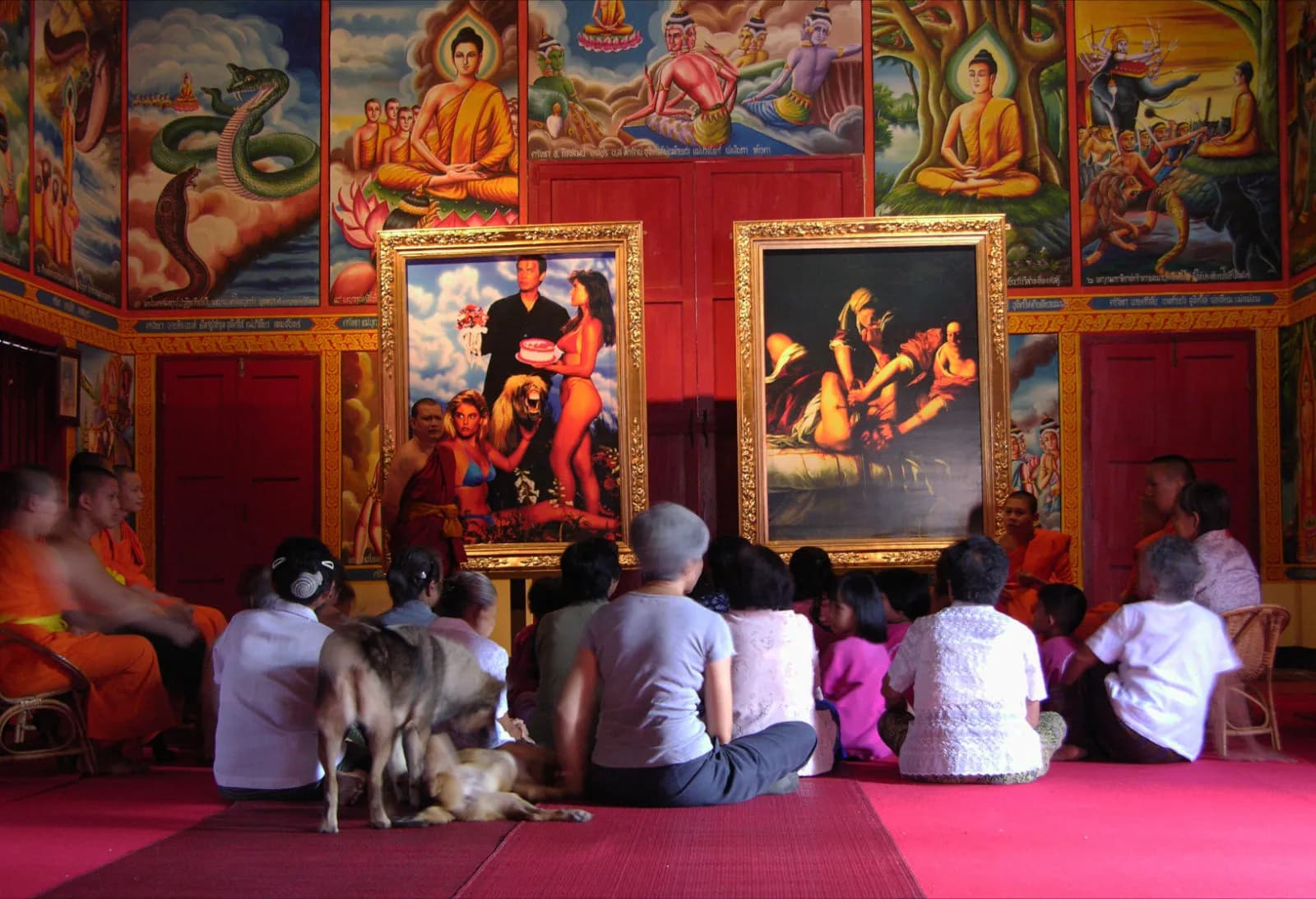
Araya Rasdjarmrearnsook, Village and Elsewhere. Credits: Tyler Rollins Fine Art and the artist
A film director once said, more or less paraphrasing him, that “a director's uniqueness lies in always directing the same movie. The stories and the performers change, but the vision remains the same.” I don’t know if you agree with this statement, or at least its translation to other artistic forms, but if so, is it a concept you would apply to your work to some extent?
ฉันเห็นตัวเองอิสระมากในเรื่อง ‘ความเป็นเอกลักษณ์’ ภัณฑารักษณ์ที่จัดงานแสดงเดี่ยวให้ฉันบอกว่าเหตุที่เขาทำเพราะ ถ้าสร้างวงกลมไว้กลางหอศิลป์ แล้วลากทางเดินออกจากวงกลม ตรงปลายทางมีงานของอารยาตั้งอยู่1ชิ้น คนดูที่เดินกลับมาที่วงกลมเพื่อที่จะออกไปบนเส้นทางถัดไป จะเห็นงานอีกชิ้นที่ไม่เหมือนกับชิ้นแรก และเขาสามารถจัดงานแบบนี้ได้โดยลากเส้นจำนวนมากจากวงกลมเพื่อให้คนเดินไปตรงปลายทางแล้วเห็นความเป็นอื่น
การที่ฉันเปลี่ยนลักษณะงานบ่อยๆ ทำให้แกลอริสต์อเมริกันคนหนึ่งบ่น โดยยกตัวอย่างว่า คนจะจำศิลปินคนหนึ่งได้เพราะเธอทำผ้าเช็ดหน้า แต่คุณไม่เคยซ้ำลักษณะงานของคุณ ทำให้ขายงานไม่ได้ แล้วเขาถามคำถามที่ทำให้อาหารกลางวันที่กำลังทานอยู่หมดรสอร่อยไปเลยคือ เมื่อไหร่เธอจะทำงานที่ขายได้? พอฉันเล่าเรื่องนี้ให้คนต่างชาติคนหนึ่งฟัง เธอถามว่า แล้วทำอย่างไรเล่าจึงจะทำงานที่ขายได้? เรามองหน้ากันแล้วพลันก็หัวเราะเสียงดังกันในแกลอรี ในห้อมล้อมของงานที่ขายไม่ได้สักชิ้นเลย พอดีโควิดมาเยือน งานแสดงก็ปิดลง
I see myself as being very free when it comes to “uniqueness.” A curator who organized a solo exhibition for me once said that the reason he did so was this: if you build a circle in the middle of an art gallery and draw pathways out from that circle, placing one of Araya’s works at the end of each path, when the viewers return to the circle to take the next path, they will find another work unlike the first one. And he said he could build an exhibition in this way, drawing many paths from the circle, allowing people to walk to each destination and encounter otherness each time.
The fact that I change the nature of my work so often once prompted an American gallerist to complain. He gave an example: people remember a certain artist because she makes handkerchiefs. But you never repeat the characteristics of your work, and that makes it impossible to sell. Then he asked a question that instantly took all the flavor out of the lunch we were eating: "When are you going to make work that sells?"
Later, when I told this story to a foreign friend, she asked: "And how, exactly, does one make work that sells?" We looked at each other and suddenly burst out laughing in the gallery, surrounded by works of art, not a single piece of which had sold. Then, as it happened, COVID arrived, and the exhibition closed down.
You have spoken several times about your death and how you would like to disappear, like Antoine de Saint-Exupéry. Have you ever fantasized about disappearing while alive? Like suddenly dropping everything and vanishing.
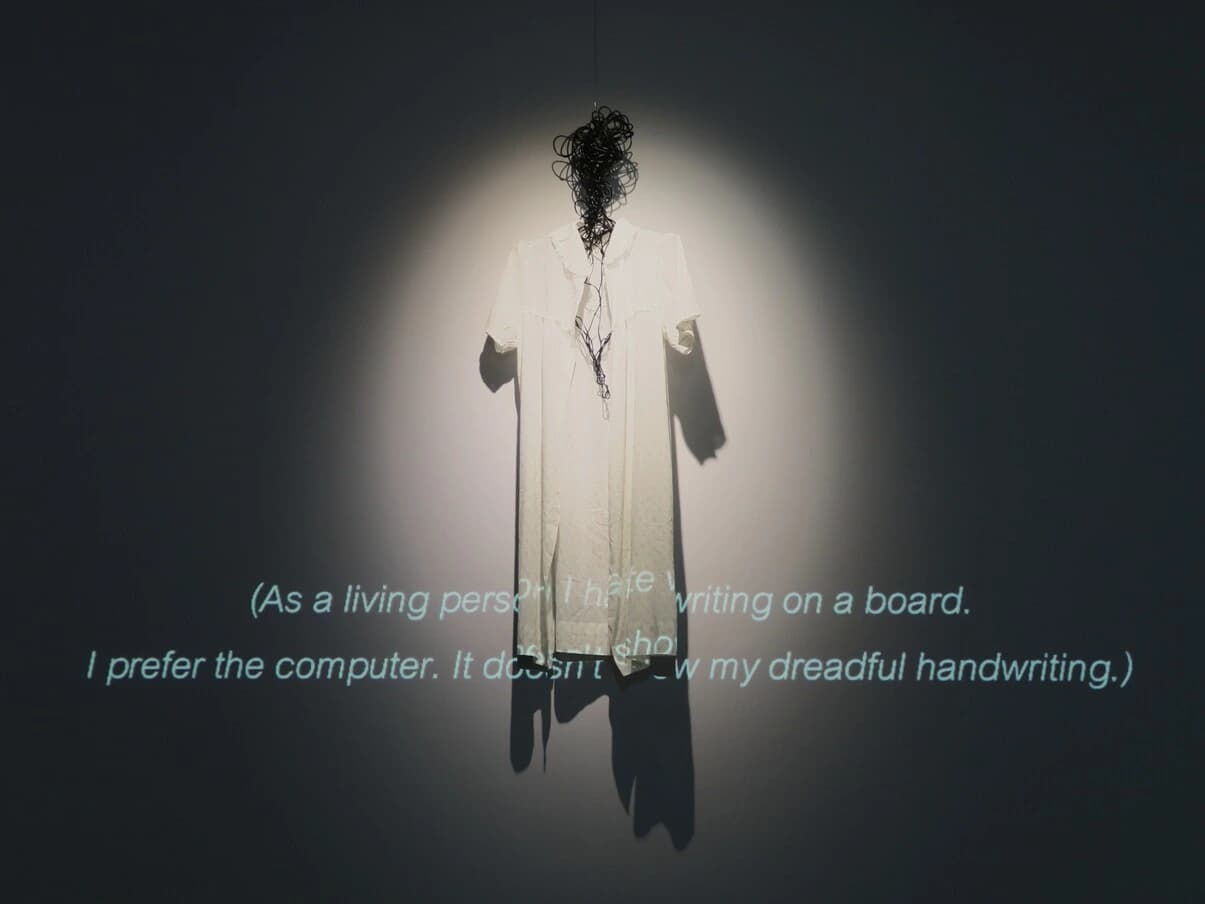
ฉันเล่นเกมการหายตัวอยู่ตลอดเวลา เพราะฉันชอบคำว่า ‘ความไม่ปรากฏ’ นักเขียนในเมืองที่ฉันอยู่บอกว่าไม่เจอฉันเป็นปีหรือสองปีแล้วทั้งๆที่อยู่เมืองเดียวกัน ฉันอาจไปร่วมเปิดงานในสภาพเหมือนวิญญาณ หรืองานที่อยากดูจริงๆก็จะไปที่ไม่ใช่ในวันเปิดงาน และส่วนใหญ่ฉันยุ่งวุ่นวายกับเรื่องของหมาในขณะที่คุยกับคนทางอีเมล์ โทรศัพท์นี่ใช้น้อยมาก ตอนนี้ฉันเพิ่มเรื่องวุ่นวายขึ้นมาอีกเรื่องคือ ฉันหัดติดตากุหลาบจากตอกุหลาบป่าได้แล้ว ต้นหนึ่งมีดอกหลายชนิด ที่กว่าจะออกดอกฉันก็ลืมไปแล้วจนต้องลุ้นว่า ดอกตูมนั้นมาจากกุหลาบต้นไหน สีอะไร
ปลายเดือนพฤษภาคมเอเชียน อาร์ต อาไควฟ AAA คุยกันเกี่ยวกับงานเขียนและงานศิลปะของฉัน ในหัวข้อ Solitude and Collectivity, one statement from speaker said about solitude being the default mode of existence, in life and in death.
I have been playing a game of disappearance all the time, because I am fond of the word “non-appearance.” Writers in the city where I live say that they have not seen me for a year or two, even though we are in the same city. I may appear at openings in a state like a ghost; as for events I truly want to see, I will go, but not on the opening days. And most of the time, I am busy with dogs while communicating with people via email; I rarely use the telephone.
Now I have added another thing to keep me busy: I have learned how to graft roses onto wild rose stock. One plant produces many kinds of flowers, and by the time they bloom, I have already forgotten them and need to wait in suspense to see which rose each bud came from, and what color it will be.
At the end of May, the Asia Art Archive (AAA) discussed my writing and art under the theme Solitude and Collectivity. One statement from a speaker described solitude as being the default mode of existence, in life and in death.
Araya Rasdjarmrearnsook, House of a forty-year old woman. Credits: 100 Tonson Foundation
May I be horrendously cheeky? You mentioned it as the reason why you chose the song The Treachery of the Moon and also as the reason why you decided to read Inaow to the corpses, because "everyone loves love stories." What is love for you?
ฉันน่าจะหมายความว่า “ทุกคนรู้จักความรัก” เรื่องเกี่ยวกับความรักอย่างพื้นๆที่สุดในสังคมไทยอยู่ในละครทีวี หรือทุกคนผ่านฮอร์โมนของวัยหนุ่ม วัยสาว แล้วพาเราไปปนเปื้อนความรักกับความใคร่ และเพราะฉันไม่รู้อะไรเกี่ยวกับศพที่เล่นบทเป็นผู้ฟัง ฉันจึงเลือกอ่านบทกลอนบรรยายฉากความรักซึ่งผู้ตายน่าจะเคยประสบมาก่อนไม่ว่าศพชาวบ้านหรือหมอ
บรรณาธิการนิตยสารที่ฉันส่งเรื่องไปลงบ่อยๆ สรุปสถานะโสดของฉันว่า “เป็นเพราะฉันดูแลหมาจรจัด อย่างต่อเนื่อง ตลอดเวลา ทำให้ฉันอยู่โดยปราศจากเรื่องรักใคร่แบบคนทั่วไป ตรงนี้ฉันอาจตอบคำถามของคุณไปแล้ว แต่ในยุคสมัยหนึ่งที่ผู้หญิงซึ่งเป็นนักเขียนสาวมักเขียนเรื่องอีโรติก ฉันก็เป็นหนึ่งในนั้น มีนักวิชาการคนหนึ่งวิจารณ์ว่า เรื่องอีโรติกของฉันไม่ทำให้รู้สึกเซ็กซี่อะไรเลย มันเป็นนามธรรมมากๆ
I probably meant that everyone knows love. The most basic stories about love in Thai society exist in television dramas, or everyone goes through the hormonal phase of young men and young women, which brings about the contamination of love with desire. And because I do not know anything about the corpse that plays the role of the listener, I choose to read poetic passages describing scenes of love that the deceased may have experienced before, whether the corpse was a regular person or a doctor.
An editor of a magazine to which I frequently submitted my writing summarized my single status by saying that because I continuously take care of stray dogs, it keeps me living without the kind of romantic entanglements that ordinary people have. On this point, I may have already answered your question. But in a certain period, when young female writers often wrote erotic fiction, I was one of them. A scholar criticized my erotic writing, saying it did not make anyone feel sexy at all, it was very abstract.
Can you tell me a lie?
ผู้หญิงคนหนึ่งฆ่าตัวตายเพราะลูกหมาจรจัด พิการตาย ในวันเปลี่ยนแปลงการปกครองจากระบอบกษัตริย์มาเป็นประชาธิปไตย
A woman committed suicide because a disabled stray puppy died on the day of the political transition from a monarchy to a democratic system.
Thank you very much for the time you have granted me.
ฉันอาจจะรู้สึกโดดเดี่ยว หลังจากที่สังเกตตัวเองว่าอยู่ห่างไกลคำนี้ นับจากนี้...
ถ้าฉันไม่ได้อ่านวิธีตั้งคำถามของคุณ
I may feel lonely after realizing I am distant from this word, from now on… if I had not read the way you framed your question.